Does a Basement Add Value to a House?
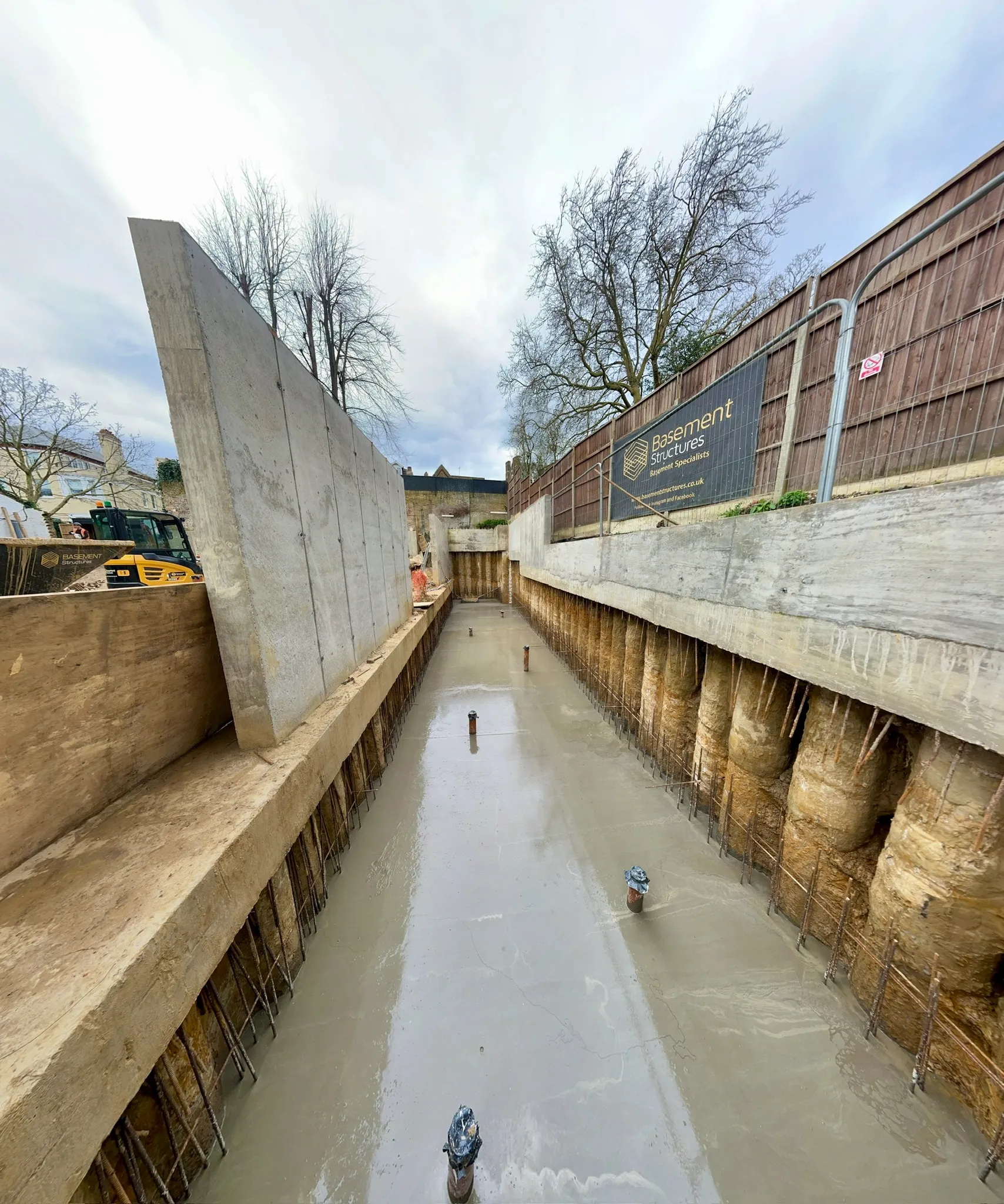
Does a Basement Add Value to a House?
One of the most common questions homeowners ask before commissioning a basement is simple: does a basement add value to a house? In the right property, the answer is yes. A well-designed basement can create valuable additional space without extending outwards, raising the roofline or changing the appearance of the home above.
Does a Basement Add Value to a House?
The more accurate answer, however, is that a basement adds value when it is planned as proper living space, not merely extra floor area. A damp, dark or awkward lower-ground room may do little for resale appeal. A dry, comfortable, beautifully finished basement with good access, coordinated services and a clear purpose can make a premium home feel significantly more complete.
For affluent homeowners across Northern England, basements are often attractive because they allow space to be created discreetly. In areas such as Cheshire, Alderley Edge, Harrogate, Ilkley, Leeds, Windermere and the Lake District, above-ground extensions may be visually intrusive, restricted by planning policy or undesirable for the character of the property. Building below ground can preserve the external appearance of a high-value home while creating new lifestyle space beneath it.
Basement Structures North delivers luxury basement construction, shell and core basement construction, basement fit-out and turnkey basement rooms across Northern England. That means value is considered from both sides: the technical performance of the structure and the quality of the finished space.
What Affects How Much Value a Basement Adds?
| Value factor | Why it matters | How to improve the outcome |
|---|---|---|
| Local property values | Basement value is strongest where extra space is worth more than the cost of creating it. | Review local comparable homes and speak to estate agents before fixing the brief. |
| Usable space | Buyers value comfortable rooms more than technical floor area on a plan. | Prioritise layout, ceiling height, access, daylight, ventilation and clear room purpose. |
| Waterproofing | A basement must remain dry and maintainable to protect long-term value. | Use a coordinated waterproofing design strategy, drainage approach and maintenance plan. |
| Structural quality | Excavation, retaining works and temporary works affect risk, programme and future performance. | Involve specialist basement contractors, engineers and temporary works expertise early. |
| Finish level | A luxury basement should feel consistent with the quality of the home above. | Coordinate fit-out, lighting, acoustics, MEP, joinery, finishes and commissioning from the outset. |
| Planning and neighbours | Basement projects can involve planning, Building Regulations and Party Wall considerations. | Build a realistic professional process around planning, party wall matters, logistics and communication. |
| Intended use | Spaces with a clear lifestyle purpose are easier for future buyers to understand. | Consider cinemas, gyms, wellness suites, wine rooms, offices, family rooms, guest suites or pools. |
How Much Value Can a Basement Add?
A basement can add meaningful value, but there is no single percentage that applies to every house. Some guidance suggests that adding an extra room, including a converted basement, can increase property value by up to 20%. In practice, the uplift depends on the relationship between build cost, local demand and the quality of the completed space.
The strongest financial case is usually found where the house is already in a high-value location and additional space is difficult to create above ground. If homes in the area command a strong price per square foot, a well-executed basement may increase both floor area and buyer appeal. If the property already sits close to its local ceiling price, the return may be more lifestyle-led than purely financial.
This is why the question should not only be “how much value does a basement add?” A better question is: will this basement create space that future buyers will recognise as high-quality, practical and desirable? If the answer is yes, the project has a much stronger chance of supporting long-term value.
Why Finished Basement Quality Matters
A basement is not automatically valuable because it is underground. Value comes from creating a space that feels intentional, comfortable and properly integrated into the home. A premium basement should not feel like a compromise. It should feel like a calm, well-designed extension of the living environment above.
For some homes, that may mean a shell and core basement prepared for later interior works. For others, it may mean a complete turnkey basement room delivered as a finished gym, cinema, spa, wine room, games room, office, guest suite or pool environment. The key is that structure, waterproofing, drainage, ventilation, lighting, acoustics, services and finishes are coordinated rather than treated separately.
This is especially important for luxury basement projects. A high-end underground room has to perform technically while also feeling effortless to use. The best results come when basement design and build delivery, structural construction, waterproofing and fit-out are considered together from the earliest stages.
Basements Can Add Lifestyle Value as Well as Resale Value
Not every homeowner is planning to sell immediately. For many families, the main value of a basement is lifestyle value: more space, better privacy, dedicated leisure rooms and the ability to keep the appearance of the property largely unchanged.
A basement can solve problems that conventional extensions cannot. It can create a large home cinema without sacrificing garden space, a private gym without building a separate outbuilding, a wine cellar with specialist environmental control, or a wellness suite hidden beneath the home. For heritage-sensitive or architect-led properties, that discretion can be one of the greatest advantages.
The buyer appeal of these spaces often comes from the fact that they are difficult to replicate casually. A beautifully delivered basement signals that the property has been improved with ambition, investment and technical care.
Which Basement Uses Are Most Likely to Appeal to Buyers?
The best use depends on the property and target market. In premium homes, basement rooms often work well when they provide a clear lifestyle benefit without duplicating rooms already available above ground.
Popular high-value basement uses include:
- Home cinemas with controlled lighting, acoustics and comfortable seating
- Private gyms and training rooms with ventilation, durable finishes and integrated storage
- Wellness suites, spas, saunas and treatment spaces
- Swimming pools and leisure suites for larger premium homes
- Wine cellars and tasting rooms with climate control
- Guest suites for visitors, family or staff accommodation
- Games rooms, golf simulator rooms and entertainment spaces
- Home offices that are separate from busy family living areas
- Family rooms that give children, teenagers or guests more independent space
- Plant, storage and utility space that improves how the whole property functions
For resale purposes, flexibility can be valuable. A basement cinema that could also work as a lounge, media room or games room may appeal to more buyers than an overly narrow, highly personalised layout. Specialist spaces such as pools, spas and wine rooms can be exceptional when delivered well, but they should be planned around running costs, maintenance and long-term usability.
Does a Basement Add More Value Than a Loft or Extension?
A loft conversion, side extension or rear extension may be simpler and cheaper than a new basement in some homes. A basement becomes more compelling when above-ground options are limited, visually intrusive or unable to provide the type of space required.
For example, a homeowner may not want to reduce garden size with a large rear extension. A roof extension may not be suitable for a heritage property, conservation setting or carefully designed architectural home. In these cases, a basement can add space while preserving the character and proportions of the property.
The right comparison is not simply basement versus loft or extension. The real comparison is between all feasible ways of creating valuable space. In many premium homes, the basement is chosen because it unlocks a larger, more private or more luxurious environment than could be achieved elsewhere.
When Might a Basement Not Add Enough Value?
A basement may not deliver a strong financial return if the project cost is too high for the local market, the property is already close to its ceiling value, or the finished rooms feel compromised. Low ceiling heights, poor access, limited daylight, awkward layouts, inadequate ventilation, unresolved damp risk and weak interior finishes can all reduce the value uplift.
The same applies when the design brief is not matched to the likely buyer. A highly specialist room may delight the current owner but narrow the resale audience. That does not make it wrong, but it changes the value calculation. Some basements are primarily lifestyle investments; others are both lifestyle and resale investments.
Before committing to a major basement project, homeowners should understand the likely cost drivers. Ground conditions, access, excavation depth, spoil removal, retaining strategy, temporary works, drainage, waterproofing, ventilation, MEP and finish level can all shape the budget. Our basement cost drivers guide explains why premium basement budgets depend on much more than floor area alone.
Planning, Building Regulations and Neighbour Considerations
A basement that adds value must also be properly consented, safely built and documented. Converting an existing basement may be more straightforward from a planning perspective, but excavating to create a new basement will often require planning permission. Lightwells, external changes, listed buildings, conservation areas and significant changes of use can all affect the planning route.
Building Regulations apply to basement works and typically involve matters such as structure, fire escape, ventilation, ceiling height, damp proofing, electrical wiring and water supplies. For projects close to neighbouring structures, the Party Wall etc. Act 1996 may also be relevant, particularly where excavation or works near shared walls are involved.
For premium residential sites, this professional process should not be seen as a burden. It is part of protecting value. A well-managed project with clear design coordination, appropriate investigations, good neighbour communication and disciplined construction control is more likely to produce a space that performs well and supports future saleability.
Waterproofing Is Central to Long-Term Basement Value
Waterproofing is one of the most important value factors in any basement. A beautifully finished room is only valuable if the space remains dry, maintainable and appropriate for long-term use. Water risk, drainage, pump systems, junctions, penetrations and maintenance access should be considered before the finish specification is fixed.
Basement Structures North works with waterproofing designed to BS 8102:2022 by a named CSSW specialist. This supports a more coordinated approach to below-ground risk, helping to ensure that waterproofing is considered alongside structure, drainage, services and intended room use. You can read more in our guide to basement waterproofing explained.
How to Make a Basement More Likely to Add Value
If adding value is part of the objective, the basement should be planned around quality, usability and market relevance from the start. The following principles can help:
- Start with feasibility. Test planning, structure, access, budget and buildability before committing to a fixed layout.
- Design for real use. Create rooms with a clear purpose, comfortable proportions and practical circulation.
- Prioritise waterproofing. Treat waterproofing as a design strategy, not an afterthought.
- Coordinate services early. Ventilation, drainage, heating, cooling, lighting, power and plant should be planned into the structure.
- Bring in daylight where possible. Lightwells, glazed links, rooflights and stair design can transform how the space feels.
- Use premium finishes carefully. The basement should match the quality of the home without becoming over-personalised.
- Keep maintenance realistic. Buyers value spaces that feel easy to own, inspect and maintain.
- Think about resale flexibility. A room that can adapt over time may appeal to a wider future market.
Why Basements Can Work Well in Northern England’s Premium Markets
Northern England includes many high-value residential markets where homeowners want more space but do not want to compromise the external appearance, garden setting or architectural character of the property. In locations such as Cheshire, Alderley Edge, Harrogate, Ilkley, Leeds, Windermere and the Lake District, a basement can create discreet, high-quality space beneath or beside the home.
For some properties, the value comes from creating a larger family home. For others, the value is in lifestyle: a private gym, cinema, wellness suite, swimming pool, spa, wine room, guest accommodation or home office that would be difficult to achieve above ground. A basement can be especially appealing where land is limited, planning sensitivity is high or the homeowner wants to preserve the visual calm of the property.
Basement Structures North supports both professional project teams and private homeowners across Northern England. Our service can include surveys and investigations, design coordination, engineering and temporary works coordination, excavation, structural construction, waterproofing, shell and core delivery, MEP coordination, fit-out, finishing and complete turnkey basement room delivery.
So, Is a Basement a Good Investment?
A basement can be a very good investment when the project is technically sound, properly designed and matched to the value of the home. It is usually strongest where the new space solves a genuine problem: lack of room, limited above-ground extension potential, a need for private leisure space, or a desire to enhance a premium property without altering its external character.
The safest answer is this: a basement adds value when it creates high-quality space that people want to use. That means dry, comfortable, well-planned, beautifully finished rooms supported by robust structure, waterproofing, services and construction control.
If you are considering whether a basement could add value to your home, start with a feasibility conversation. A specialist basement contractor can help you understand what is possible, what may affect budget and where the strongest value opportunities sit.
Does a Basement Add Value? FAQs
Yes, a basement can add value to a house when it creates high-quality usable living space. The strongest results are usually achieved when the basement is dry, well-designed, properly serviced, easy to access and suited to the expectations of buyers in that location.
Some guidance suggests that an extra room such as a converted basement can increase value by up to 20%, but there is no guaranteed uplift. The final value depends on build cost, location, local ceiling prices, specification, room use and the quality of the finished space.
A finished basement will usually have stronger buyer appeal than an unfinished shell because buyers can immediately understand and use the space. However, the underlying shell and core construction, waterproofing, drainage, ventilation and services still determine how well the room performs long term.
Home cinemas, gyms, wellness suites, wine rooms, family rooms, guest suites, home offices, games rooms and pool or spa environments can all add value when they are designed around comfort, services, waterproofing, ventilation and high-quality finishes.
A basement is not always better than an extension, but it can be the better option when above-ground extensions would reduce garden space, affect the appearance of the property, conflict with planning sensitivity or fail to create the type of private leisure space required.
Yes. Basement Structures North can support shell and core basement construction, waterproofing, structural delivery, basement fit-out, finishing and turnkey basement rooms for premium homes and complex residential projects across Northern England.
Find Out Whether a Basement Could Add Value to Your Home
Planning a luxury basement, garden basement, basement extension or turnkey underground room? Basement Structures North can help you assess feasibility, design coordination, construction method, waterproofing, fit-out and long-term value potential for premium homes across Northern England.
Discuss Your Basement Project