Energy-Efficient Basement Design
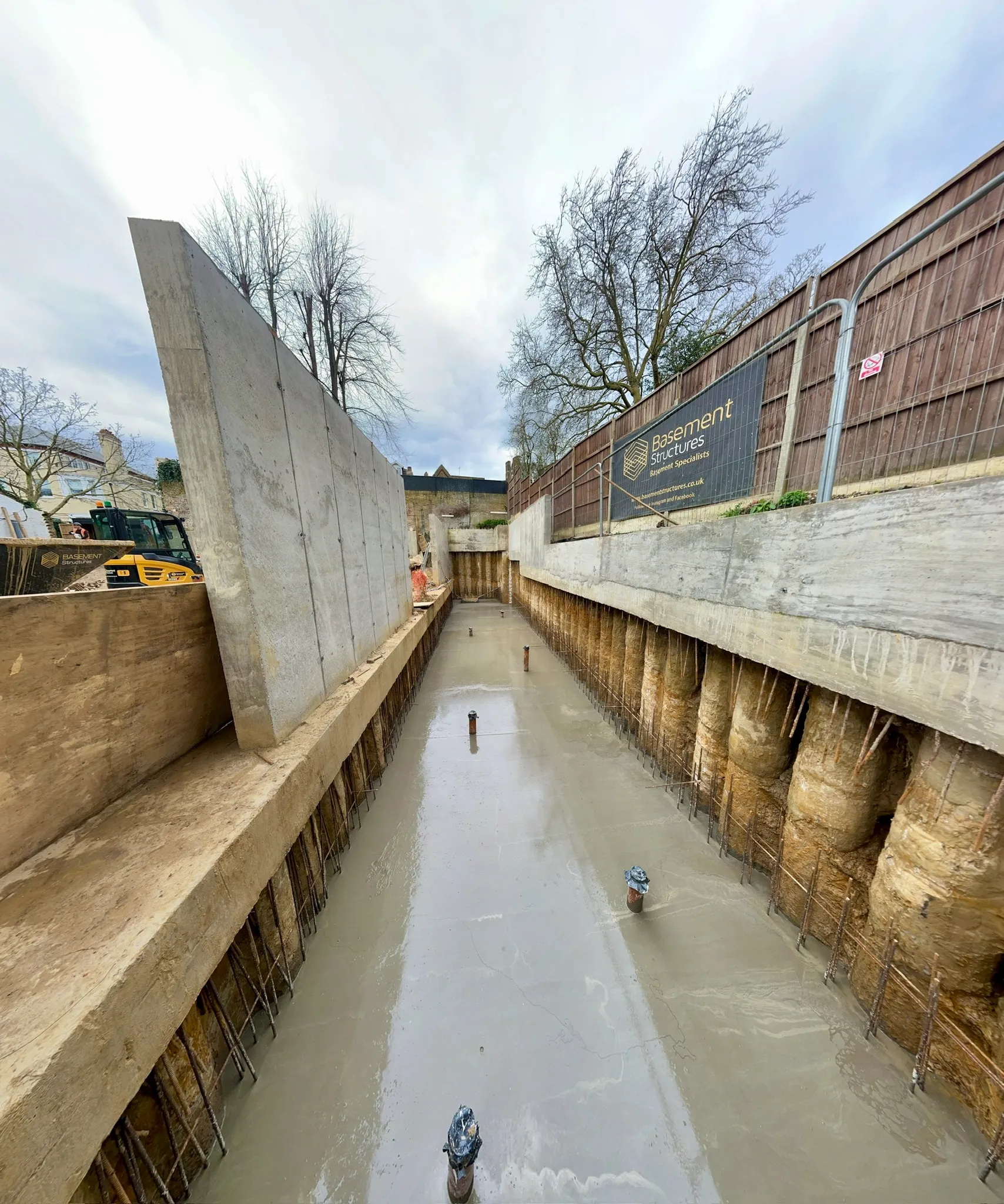
Energy-Efficient Basement Design
As the UK moves toward net zero carbon homes, energy efficiency is shaping every stage of residential design and construction. For high-value properties, the challenge is how to add meaningful space without increasing energy demand or long-term running costs. Energy-efficient basement design offers a compelling solution. By working with the natural thermal stability of the ground, underground spaces can reduce heat loss, support fabric-first strategies and contribute to more resilient, low-energy homes when engineered and integrated correctly.
Energy-Efficient Basement Design for Net Zero Homes
As the UK construction industry moves toward lower-carbon homes, energy efficiency is no longer a nice-to-have—it’s a core requirement shaped by regulation, cost, comfort and long-term property value. For homeowners, architects and developers across high-value areas of northern England, the challenge is how to add space without undermining energy performance.
Done properly, an underground structure can support a modern low-energy home. Energy-efficient basement design takes advantage of the basement’s relationship with stable ground temperatures and reduced exposure to wind and weather, potentially helping to reduce heat loss and improve comfort consistency compared to many above-ground additions.
In practice, basements perform best when they are designed as part of a whole-house strategy—coordinated alongside structure, moisture control and building services planning. That’s why we integrate basement engineering with sustainability & energy considerations early, rather than treating performance as an afterthought.
Basement Structures North can deliver the full process entirely in-house—from design coordination and structural excavation through to watertight performance via waterproofing & pumps— so energy and performance considerations remain aligned with buildability, sequencing and long-term reliability.
How Underground Spaces Can Support Low-Energy Home Performance
| Performance Factor | What It Means | Why It Matters for Net Zero |
|---|---|---|
| Thermal Stability | Below-ground temperatures fluctuate less than external air. | Supports consistent comfort and can reduce peaks in heating demand as part of an overall strategy. |
| Reduced Exposure | Basements are less exposed to wind-driven heat loss. | May improve thermal performance compared to many above-ground additions, subject to design and detailing. |
| Thermal Mass | Basement structures often use materials with higher thermal mass. | Can help moderate internal temperature swings as part of a fabric-first approach. |
| Whole-House Integration | Performance depends on coordination with structure, waterproofing and building services. | Net zero outcomes require a joined-up approach, not isolated measures. |
| Overheating Resilience | Below-ground spaces may remain cooler in summer. | Can complement comfort strategies where overheating risk is a design concern. |
The key point is simple: basements can contribute to low-energy performance, but only when engineered and coordinated properly. Structure, moisture resistance, ventilation strategy and plant planning must work together to achieve reliable outcomes.
Energy-Efficient Basements & Net Zero Homes—FAQs
Yes. When designed and constructed correctly, basements can support energy efficiency by benefiting from stable ground temperatures, reduced exposure to wind and weather, and improved thermal stability compared to many above-ground additions. Actual performance depends on the full design and detailing of the home.
They can be. A basement can form part of a net zero strategy when integrated with a whole-house approach, including fabric-first design, appropriate ventilation and low-carbon heating—always based on site-specific assessment and compliant delivery.
Often, yes. Above-ground extensions add new external walls and roofs exposed to weather, increasing heat-loss area. Basements are typically less exposed and can offer improved thermal stability—subject to design, detailing and the overall building envelope strategy.
Basements commonly use materials with higher thermal mass, which can help moderate temperature swings by absorbing and releasing heat more slowly. This can support stable internal conditions as part of a whole-house energy strategy, but it should be assessed alongside ventilation, moisture control and overall fabric performance.
Yes. Basement Structures North can provide basement design and construction services entirely in-house, integrating structural design, excavation, waterproofing strategy and project controls so performance considerations are addressed early and coordinated throughout delivery.
Build Below Ground—Without Compromising Performance
Energy performance is won or lost early—at structure, moisture control and buildability stage. If you’re planning a basement as part of a low-energy or net zero home strategy, we can coordinate the engineering and delivery in-house, aligning excavation, waterproofing and project controls with your sustainability objectives. This article is provided for general information only; all projects require site-specific design by competent professionals and must comply with UK Building Regulations, CDM duties and relevant British Standards.
Discuss an Energy-Efficient Basement